


Fantasy Hockey Blockbuster Trade Breakdown: Stuart Skinner, Tristan Jarry and More
Shelmo breaks down the goalie swap between the Pittsburgh Penguins and the Edmonton Oilers, and gives you a fantasy outlook on why this is a big deal.
Hey folks. Today, we're talking trades - and more specifically, goalie trades.
One of the most unexpected moves of the season came in the form of a goaltending swap that could quietly reshape the fantasy landscape over the second half of the year. Two netminders who have frustrated managers at different points now find themselves in entirely new situations, each with a fresh opportunity to redefine their value.
For fantasy purposes, this trade is less about reputation and more about context. Team structure, goal support, defensive reliability, and projected workload all come into play here. With wins often tied as much to environment as performance, this change of scenery forces managers to take a step back and reconsider assumptions that may no longer apply.
In leagues where every start matters, this deal has the potential to create value where it previously didn't exist - or expose risks that were easier to overlook before.
Let's dive into this head-scratcher, why one team changed course, and how one goaltender went from the waiver wire to a key piece in a blockbuster move in less than a year.
Make sure to check out our new Fantasy Hockey Projections. Outlooks at your fingertips that always give you an in-depth snapshot and an accurate outlook of what you expect from every player - all season long. Powered by AI; refined by our experts.
Oilers and Penguins Trade
To the Edmonton Oilers: Tristan Jarry, Sam Poulin
Connect your league to uncover strengths & weaknesses, waiver assistance, trade scenarios, and get instant start/sit clarity.
To the Pittsburgh Penguins: Stuart Skinner, Brett Kulak, second-round draft pick (2029)
Oilers Trade Impact
From Edmonton's perspective, this deal is a clear attempt to stabilize the most volatile position on their roster while keeping their championship window firmly in mind. Skinner simply has not been getting the job done, and the Oilers can no longer afford to ride that horse, despite him backstopping the team to back-to-back Stanley Cup Final appearances. Goaltending inconsistency has been a recurring issue, and this move signals a willingness to accept some risk in exchange for a higher potential ceiling.
Edmonton is betting that a change of scenery and a more structured role can unlock steadier results in net, while also improving the overall balance of the roster.
For fantasy managers, the key takeaway is that the Oilers are prioritizing reliability in goal, even if some uncertainty remains. This is a positive development for the rest of the roster, particularly a blueline that has too often been left exposed.
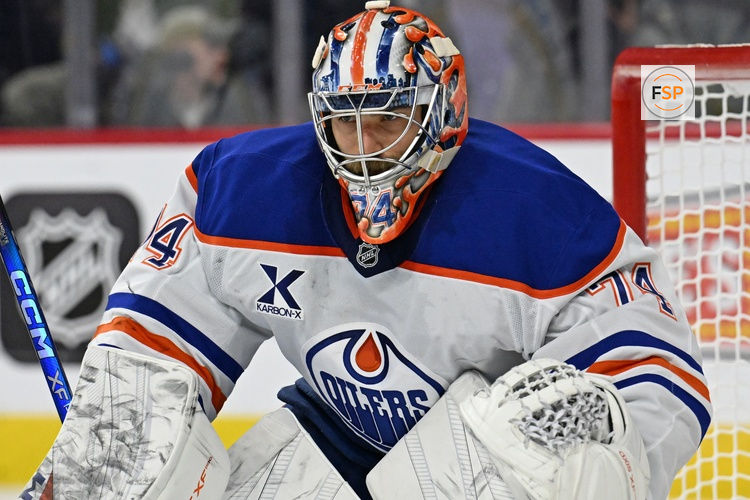
What Jarry Brings to Edmonton
Jarry steps into an environment that immediately boosts his fantasy appeal due to team context alone. If you are a Jarry manager and haven't received at least two trade offers since this deal broke, it might be time to pull out the hot sauce for your taco league.
Edmonton's offensive firepower gives Jarry a significantly higher probability of earning wins compared to his previous situation, even on nights when he isn't at his absolute best. While the Oilers can still be prone to defensive lapses, they are capable of controlling play for long stretches, which should help limit sustained pressure and keep Jarry's workload more manageable.
From a fantasy standpoint, Jarry profiles as a volume-dependent option with a clearer path to relevance in standard formats that reward wins and starts. He may not suddenly become an elite ratios goaltender, but if he establishes himself as the primary option, his value rises considerably in leagues where deployment consistency matters. Managers should view him as a mid-tier starter with upside tied directly to Edmonton's scoring support, rather than expecting a dramatic overhaul of his underlying numbers.
Where Jarry can truly help the Oilers is in high-danger situations. His performance in those areas represents a clear upgrade from what Edmonton has been getting, and his form this season looks far closer to prime Jarry than waiver-wire Jarry.
Poulin is the secondary piece in this trade and adds organizational depth rather than immediate fantasy relevance. In the short term, he projects as a depth forward who will need to earn trust before seeing meaningful offensive deployment. If he sticks at the NHL level, any potential value would likely come through bottom-six usage and situational opportunities rather than prime scoring roles.
Poulin Toss In
For fantasy purposes, Poulin remains off the radar in standard leagues and is only worth monitoring in deeper dynasty formats. His inclusion does little to alter the Oilers' fantasy outlook overall, with the real fantasy weight of this trade resting squarely on what Jarry provides between the pipes.
Poulin has been in and out of the NHL, bouncing between the big league and the AHL since he was drafted in 2021 in the first round. Clearly not what the Penguins expected, so moving this first-round prospect makes sense as a toss in here.
Jarry has nine wins in 13 starts as a goaltender. He also has a .909 save percentage, 2.66 goals against average, and one shutout.
Poulin has zero goals or assists in just two games played as a forward. He also has one shot on goal, one hit, and two blocked shots.
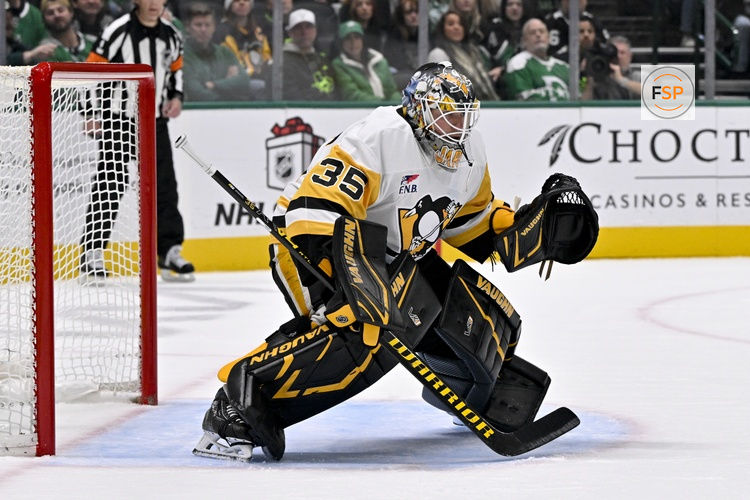
What Skinner Brings to Pittsburgh
Skinner arrives in Pittsburgh with a chance to reset his value in a lower-pressure environment compared to Edmonton, where expectations are sky-high and every mistake is magnified. While his play has been uneven, the Penguins offer a system that could allow him to settle into a more controlled workload, particularly if he is not asked to shoulder the same night-to-night burden immediately.
The added pressure of helping franchise and generational superstar Connor McDavid cross the finish line and secure his first Stanley Cup will no longer be there. Instead, Skinner joins a team led by another generational talent in Sidney Crosby, a player who already has a trio of championships, even if his competitive fire hasn't dimmed. It's simply a different vibe and a different level of pressure.
From a fantasy standpoint, Skinner becomes a more format-dependent option. The Penguins are unlikely to provide the same level of goal support he had in Edmonton, which caps his win upside, but there is potential for improved ratios if the defensive structure in front of him holds.
If he earns the bulk of the starts (which he should), Skinner profiles as a matchup-based option rather than a set-it-and-forget-it starter, making him more appealing in deeper leagues or formats that emphasize save percentage and goals-against average over raw win totals. He'll still be useful for stacking wins and saves in favorable matchups.
Kulak, Draft Pick, and Fantasy Impact
Kulak's inclusion adds immediate stability to Pittsburgh's blueline, even if his fantasy ceiling remains limited. He is unlikely to provide meaningful offense, but his presence helps solidify defensive pairings and could indirectly benefit Penguins goaltenders by reducing high-danger chances against. In most fantasy formats, Kulak remains a real-life asset rather than a fantasy one, outside of deeper leagues that count hits and blocked shots.
The second-round draft pick in 2029 is the quieter but arguably most important piece of this return. Given Pittsburgh's cap situation and aging roster, accumulating future assets while clearing salary is a logical step. The fact that the Penguins were able to avoid retaining any of Jarry's contract while still securing a second-round pick speaks to how motivated Edmonton was to upgrade in the blue paint, and how valuable that cap relief is for Pittsburgh moving forward.
For fantasy managers, the Penguins' side of this deal is more about long-term implications than immediate upside. Skinner's value will hinge on workload and consistency, Kulak remains a depth option, and the pick reinforces that Pittsburgh is keeping one eye on the future while still trying to remain competitive today.
Skinner has 11 wins in 23 games started as a goaltender. He also has an .891 save percentage, 2.83 goals against average, and two shutouts.
Kulak has zero goals, two assists, and 10 penalty minutes in 31 games played as a defenseman. He also has 33 shots on goal, four hits, and 38 blocked shots.