

Fantasy Hockey Draft Strategy: When to Draft Forwards, Defensemen and Goalies
Shelmo follows up his three-part fantasy draft series by breaking down when to draft each position, how league settings should influence draft strategy, and when to prioritize established players over high-upside youth.
Hey folks. We spent the first three articles of this series identifying forwards, defensemen and goalies who I believe are being drafted too late. Now it's time to put all of that together and talk about how I actually approach the draft. Finding value is one thing, but knowing when to take that value, how to balance your roster and when to attack each position can make or break your draft.
Your strategy should also change depending on the league. A redraft team built to win this season shouldn't be drafted the same way as a dynasty team built for the next five years. Established stars, positional scarcity, young upside and even goalie volatility all become more or less important depending on your league settings and what you're trying to accomplish.
ADP is a useful guide, but it shouldn't dictate your draft. Let's break down when I want to target forwards, defensemen and goalies, when I prefer established players over youth, and how I adjust my strategy depending on whether I'm trying to win now or later.
Let's dive in and strategize.
Connect your league to uncover strengths & weaknesses, waiver assistance, trade scenarios, and get instant start/sit clarity.
Want to take your fantasy hockey analysis further? EDGE+ members can now chat with our AI Expert, ask follow-up questions, and dive deeper into player breakdowns with longer conversations.
Youth vs. Established Players
One of the biggest things that should determine your draft strategy is whether you're playing redraft, keeper or dynasty. In a redraft league, I'm looking for established players and high floors. I'm not particularly interested in chasing a player's ceiling when I need that production this season. Give me the player who has already proven he can produce at the NHL level over the player who might become a star someday.
That doesn't necessarily mean I'm avoiding young players. To me, the more important distinction is proven vs. unproven, not simply old vs. young. A young player who has already established himself as a legitimate NHL producer can still have a very high floor. But if we're talking about an unproven player, I'm much more hesitant in redraft.
Dynasty is where I'm willing to take those bigger swings. Now I'm looking for youth and ceiling, because the potential payoff can last for years. Gavin McKenna is a perfect example. He is unproven at the NHL level, but he's a No. 1 overall pick with enormous talent and a projected future as a franchise player. That's the kind of gamble I'm willing to make in dynasty.
At the same time, I don't want my entire roster filled with prospects and young players who might become stars. Youth is a great asset, but being young doesn't automatically mean someone will develop into a superstar or franchise cornerstone.
That's why I still want a balance of established players and a couple of calculated gambles. If I'm going to be streaming players throughout the season anyway, holding onto a young player with legitimate upside isn't a bad use of a roster spot. In keeper leagues, I want the best of both worlds: the young prospect who could carry my team for years, alongside the proven player who can carry the load right now. The goal isn't to choose between youth and experience. It's to find the right balance for the format you're playing.
Forwards
Forwards are my second priority overall when I'm building a fantasy roster. There are two big reasons for that. First, the top forwards generally provide the highest ceiling and the biggest point totals in fantasy hockey. Second, once you get past those high-end producers, the forward pool gets extremely deep.
There are seemingly 100 interchangeable forwards available on the waiver wire or as late-round selections who can be plugged into your lineup or streamed when you need them. That makes the lower end of the position much less risky than some other positions. If you miss on a late forward, there are usually plenty of alternatives.
If your league has defined forward positions, however, you need to pay attention to positional eligibility. I want wingers who can also play center because that flexibility can save you later in the draft and throughout the season. Don't lock yourself into filling every individual position too early. Keep an eye on players who have multiple designated positions and give yourself as many lineup combinations as possible. If your league treats all forwards as one pool, even better. That gives you more flexibility and makes roster management much simpler.
There's another wrinkle that can make those versatile forwards even more valuable: faceoffs. If your league counts FOW, a winger who takes draws at center can provide additional value even when you're using him in a wing position. That's the kind of small roster advantage that can add up over an entire season.
And then there are the category guys. Not every forward needs to be a scoring phenom like Connor McDavid. In a bangers league especially, a player who contributes hits, shots, blocks or other peripheral categories can be incredibly valuable. Sometimes you need the elite scorer, and sometimes you need a Joel Eriksson Ek to throw the body and give you production in categories your pure scorers aren't providing. The best fantasy roster isn't necessarily the one with the most points. It's the one that gives you the best combination of categories.
Defensemen
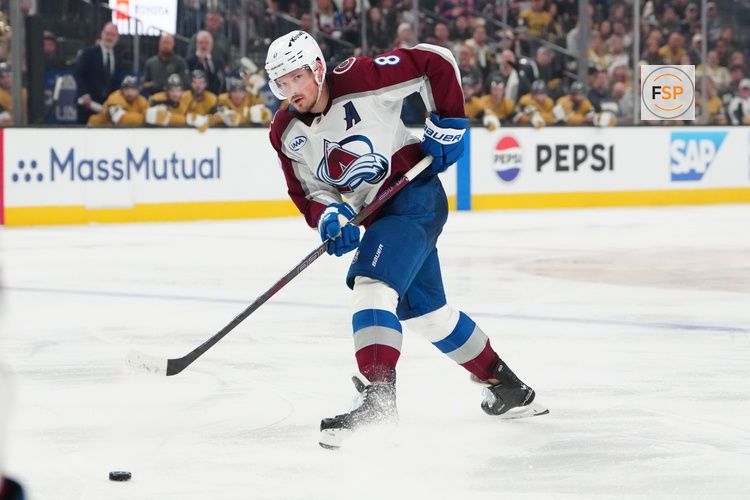
Defensemen are always my No. 1 priority when I'm building a fantasy roster. The reason is simple: there are far fewer of them, and the drop-off in quality is much more significant than it is at forward. Every NHL roster carries roughly 12 forwards, but only six defensemen. That alone creates a massive difference in the available player pool.
After the first round, when the elite scorers are generally coming off the board, that's when I want to start paying close attention to the blue line. Deployment matters enormously here. Powerplay units generally feature only one defensemen, meaning the players who quarterback those units have an opportunity to rack up assists that most of their peers simply don't have. Then you add penalty-killing minutes, where two defensemen are typically on the ice, along with blocked shots, hits and other peripheral categories. The best defensemen can contribute in a ridiculous number of ways.
The difference between a top-pairing defensemen and a third-pairing defensemen is also enormous compared to the difference between a top-line forward and a bottom-six forward. At forward, there are enough NHL-caliber players that you can find someone useful late in a draft or on the waiver wire. Once your league starts running out of quality defensemen, that's it. There isn't the same abundance of streamers available who can step into your lineup and provide meaningful value.
That's why I'm willing to prioritize defensemen earlier than some fantasy managers might be comfortable with. I'm not just drafting a player who scores points. I'm drafting a scarce commodity who can quarterback a powerplay, collect assists, block shots, throw hits and play huge minutes. The combination of scarcity, deployment and category coverage makes elite defensemen incredibly difficult to replace.
Goalies
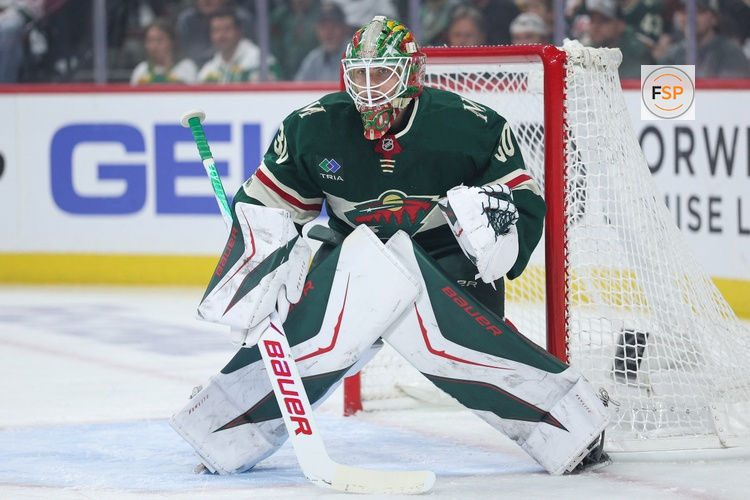
It is no secret that I'm a fan of "ZeroG", although in practice mine is really more of a modified version. Sure, it would be nice to leave your draft with at least one bona fide starter, but goalies are easily the most volatile position in fantasy hockey. Even proven tendys can have an off year, lose the crease, get shelled behind a struggling team or simply lose you matchups. I'm much more comfortable waiting and riding the hot glove than spending a premium pick on a goalie simply because he has a big name.
More often than not, there are goalies left on the waiver wire after your draft who can suddenly steal the crease and become legitimate starters. We've seen that happen with players like Jakub Dobes and Jesper Wallstedt over the last couple of seasons. Those players are gambles, but that's exactly why I don't want to rush into drafting them. I'd rather use those early picks on scarce, high-end skaters and figure out my goaltending as the season develops.
If you do decide to draft goalies early, though, there are a few things I want you looking at. Workload is huge. Who is the backup? Is your goalie in danger of losing the crease? Could the team move toward a split rotation? And most importantly, what kind of team is playing in front of him?
You need to know whether you're drafting a goalie for volume, wins, saves or some combination of all three. A goalie facing 35 shots every night might be fantastic for saves but miserable for your ratios and wins, while another might have an incredible team in front of him but not see enough work to justify his draft position.
Honestly, goalies are always somewhat of a crapshoot. Great goalies lose their form, backups suddenly become starters, and the position is so heavily influenced by confidence. Once a goalie loses his head, he can lose his spot. Ride the hot glove, don't overpay for certainty, and be ready to adapt throughout the season.
Shelmo's Two Cents
At the end of the day, my biggest pieces of advice are patience and balance. Take risks where you can, but don't gamble the farm away. Know your opponents, do your homework, and most importantly; don't reach for a player simply because you think you need to fill a position. Let the draft come to you and take advantage when the value is there.
And put your personal feelings aside. Don't just go draft the entire roster of your favorite team because you're a fan and then wonder why you lose every year. Fantasy hockey isn't about cheering for your favourite team. It's about building the best roster possible. Your jersey doesn't score fantasy points.
Prioritize your defensemen, take your franchise forwards, and be patient with your goaltending. Watch the trends in the crease throughout the season and be ready to pick up the budget goalies who start challenging for a starter role. The best fantasy managers aren't necessarily the ones who predict everything correctly on draft night. They're the ones who recognize value, adapt when things change and don't panic when their original plan needs to change.
We've spent this entire series talking about finding players who are being overlooked. Now take that same mentality into your draft. Know your league, know your opponents, know your players and trust your board.
And again... whatever you do, don't draft the whole Maple Leafs' roster. It might be their year, but it won't be yours!