


NHL Trade Roundup: Teams Continue Reshaping Rosters Ahead of Free Agency
Shelmo discusses four recent NHL trades as organizations continue shaping their rosters ahead of free agent frenzy, with clubs adding draft capital, swapping young talent, and making calculated moves before one of the busiest days on the NHL calendar.
Hey folks. With the 2026 NHL Draft now in the rearview mirror, front offices across the league have immediately shifted their focus toward free agent frenzy on July 1. While many of the biggest names remain unsigned, general managers aren't waiting around, as teams continue making trades to address organizational needs, add future assets, and position themselves for what could be another busy offseason.
As free agency draws closer, these types of moves often provide an early glimpse into each team's plans for the season ahead. Some clubs are creating salary cap flexibility, others are taking chances on young players needing a fresh start, and several organizations continue reshaping their cores as they look to become legitimate playoff contenders.
From a fantasy perspective, every transaction has the potential to create new opportunities, shift depth charts, and impact player value heading into draft season. Let's dive in.
Make sure to check out our Fantasy Hockey Trade Analyzer. Real-time trade insights at your fingertips that give you an in-depth snapshot of each player's true market value - all season long. Powered by AI; refined by our experts.
Connect your league to uncover strengths & weaknesses, waiver assistance, trade scenarios, and get instant start/sit clarity.
Maple Leafs and Blues Trade
To the Toronto Maple Leafs: 73rd-overall pick (2026), 76th-overall pick (2026)
To the St. Louis Blues: Brandon Carlo
Fantasy Breakdown
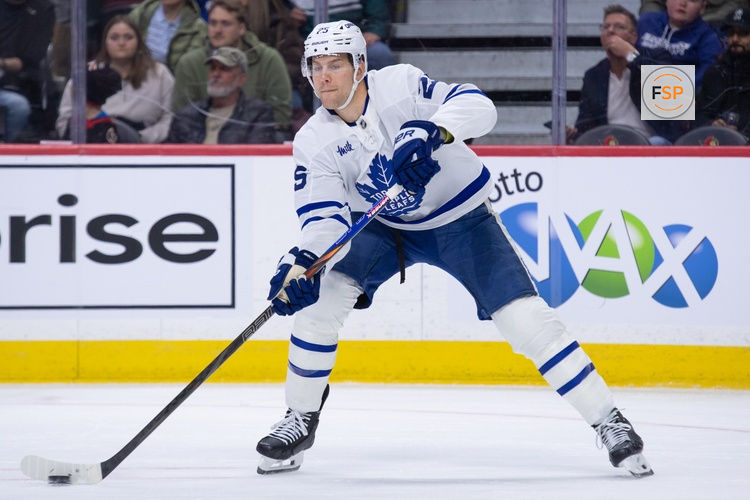
The Toronto Maple Leafs continued reshaping their roster ahead of free agency by sending defensemen Carlo to the St. Louis Blues in exchange for the 73rd and 76th overall selections in the 2026 NHL Entry Draft. While this may not be one of the offseason's headline-grabbing blockbusters, it is another move that highlights Toronto's willingness to move on from recent acquisitions that have not worked out as planned.
To me, this feels like general manager John Chayka continuing to clean up the roster he inherited.
Carlo arrived in Toronto with the expectation that he would become an important part of the Maple Leafs' defensive core, bringing size, physicality, penalty-killing ability, and a steady veteran presence. Unfortunately, he never fully settled into that role. Whether it was fit, deployment, or simply not meeting expectations, the player Toronto thought it was acquiring never consistently materialized.
Considering what the Maple Leafs originally paid to acquire Carlo, recovering a pair of third-round draft picks is solid asset management. While it does not erase the cost of the original transaction, it gives Toronto additional draft capital and more flexibility as Chayka continues putting his own stamp on the organization.
For St. Louis, this is a sensible addition.
The Blues still need experienced NHL players capable of logging meaningful minutes, and Carlo gives them exactly that. He brings veteran grit, defensive reliability, and leadership to a team that continues balancing younger players with established professionals. The expectations, however, are very different than they were in Toronto. He is no longer being asked to solve major defensive issues under one of hockey's brightest spotlights. Instead, he can settle into a role that better suits his game without carrying the same level of pressure.
From a fantasy perspective, there is very little immediate impact. Carlo has never been a player who generates significant offensive production, and that is unlikely to change in St. Louis. Managers in leagues that reward blocked shots, hits, and defensive peripherals may continue to find occasional value, but this move is far more meaningful from a hockey operations standpoint than a fantasy one.
Overall, I think this is a good piece of business for both organizations. Toronto salvages respectable value while continuing to reshape its roster, and St. Louis adds an experienced defenseman without sacrificing premium assets. Sometimes the best trades are simply about finding a better fit, and this feels like one of those situations.
Carlo has zero goals, seven assists, and one short-handed point in 55 games played as a defensemen. He also has 66 shots on goal, 65 hits, and 98 blocked shots.
Predators and Rangers Trade
To the Nashville Predators: Adam Edstrom
To the New York Rangers: Massimo Rizzo, fifth-round draft pick (2026)
Fantasy Breakdown
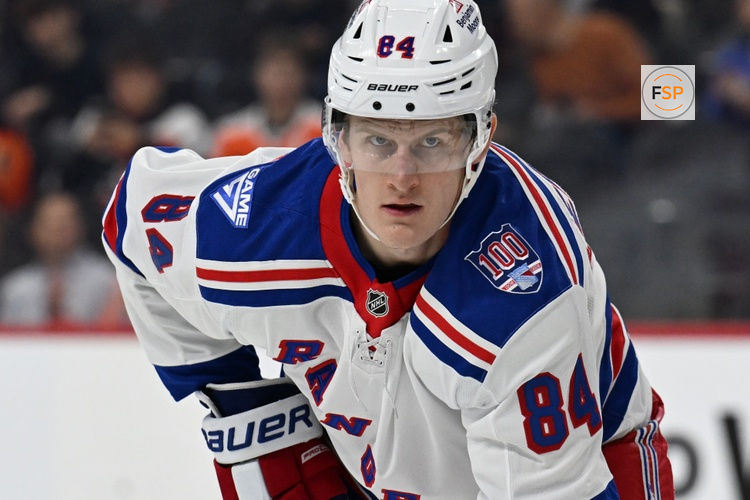
The Nashville Predators continued an active offseason by acquiring forward Edstrom from the New York Rangers in exchange for Rizzo and a fifth-round draft pick in the 2026 NHL Entry Draft. While this is not one of the headline moves, it is another example of teams making depth additions before free agency officially begins.
Edstrom brings a unique combination of size and physicality that should fit well within Nashville's forward group. He projects as a player capable of filling a bottom-six role while providing energy, forechecking, and penalty killing ability. Although his offensive ceiling appears limited, he gives the Predators another NHL-ready option as they continue reshaping their roster.
From a fantasy perspective, there is very little immediate value in standard formats. Edstrom's game is built more around physical play than offensive production, making him a better fit in leagues that reward hits and other peripheral categories if he earns consistent NHL minutes.
For the Rangers, the return adds another prospect and a future draft selection as they continue managing organizational depth. Neither side dramatically alters its roster with this trade, but both clubs address areas of need in a relatively low-risk transaction.
Overall, this feels like a sensible hockey trade that gives each organization a player or asset better suited to its current direction.
Bruins and Avalanche Trade
To the Boston Bruins: Ivan Ivan
To the Colorado Avalanche: Fabian Lysell
Fantasy Breakdown
The Boston Bruins and Colorado Avalanche exchanged young forwards in a classic “change of scenery” trade, with Boston acquiring Ivan while Colorado takes a chance on former first-round pick Lysell. These types of deals are often made with the hope that a new organization can unlock untapped potential.
Boston adds a hardworking forward who has steadily worked his way through Colorado's system and earned NHL opportunities through his compete level and versatility. While Ivan is unlikely to become a major offensive contributor immediately, he gives the Bruins another young player who could develop into a useful depth piece as the organization continues evolving its roster.
For Colorado, the focus shifts to Lysell, whose offensive talent has never really been questioned. Consistency and opportunity have been the bigger obstacles throughout his development. A fresh start with the Avalanche may provide the environment he needs to finally establish himself as a full-time NHL player.
From a fantasy standpoint, this is primarily a dynasty league trade. Neither player is likely to make an immediate impact in standard fantasy formats, but Lysell probably carries the higher long-term offensive ceiling if he can put everything together.
Overall, this is a low-risk gamble for both organizations. Sometimes all a young player needs is a different opportunity, and both Boston and Colorado are betting that a change of scenery will benefit the player they're bringing in.
Hurricanes and Ducks Trade
To the Carolina Hurricanes: John Carlson
To the Anaheim Ducks: Sixth-round draft pick (2026), Kyle Masters
Fantasy Breakdown
The defending Stanley Cup champion Carolina Hurricanes continued strengthening an already formidable roster by acquiring the rights to veteran defensemen Carlson from the Anaheim Ducks in exchange for a sixth-round pick and prospect Kyle Masters. For a team that has already climbed to the top of the mountain, this is another example of smart asset management aimed at keeping its championship window wide open.
The price is outstanding.
Carolina parts with a late-round draft pick and a prospect to add one of the NHL's most accomplished veteran defensemen. While Carlson is no longer in the prime of his career, he still has plenty to offer. He brings championship pedigree, leadership, offensive instincts, and elite puck moving ability to a blue line that was already among the league's strongest.
From a fantasy perspective, Carlson may no longer be the perennial top-tier defenseman he once was, but he should still provide value if he earns regular minutes and powerplay opportunities. On a team as deep and talented as Carolina, there will be plenty of chances for him to contribute offensively while providing stability on the back end.
To me, this is exactly the type of move championship teams make.
The defending champs are not standing still. Instead, they continue finding ways to get deeper, and they managed to do it for pennies on the dollar. Carlson immediately adds another veteran presence to a roster that already knows what it takes to win, and his experience should fit seamlessly into Carolina's culture.
The only question I have is the overall speed of the Hurricanes' blue line.
Carlson remains an outstanding puck mover and minute eating defenseman, but Carolina's back end is beginning to trend older. Between the newly acquired Carlson, Jaccob Slavin, and Shayne Gostisbehere - we're pushing mid-30s on these guys.
I do wonder if that eventually impacts the overall pace of the defensive group, particularly against some of the league's younger, faster teams. It is not enough to outweigh everything Carlson still brings, but it is something worth monitoring.
Overall, I really like this move. Carolina strengthens an already championship caliber roster without giving up significant assets, and once again shows why successful organizations consistently stay aggressive even after winning it all.
Carlson has 14 goals, 46 assists, and 14 powerplay points in 71 games played as a defensemen. He also has 153 shots on goal, 26 hits, and 106 blocked shots.